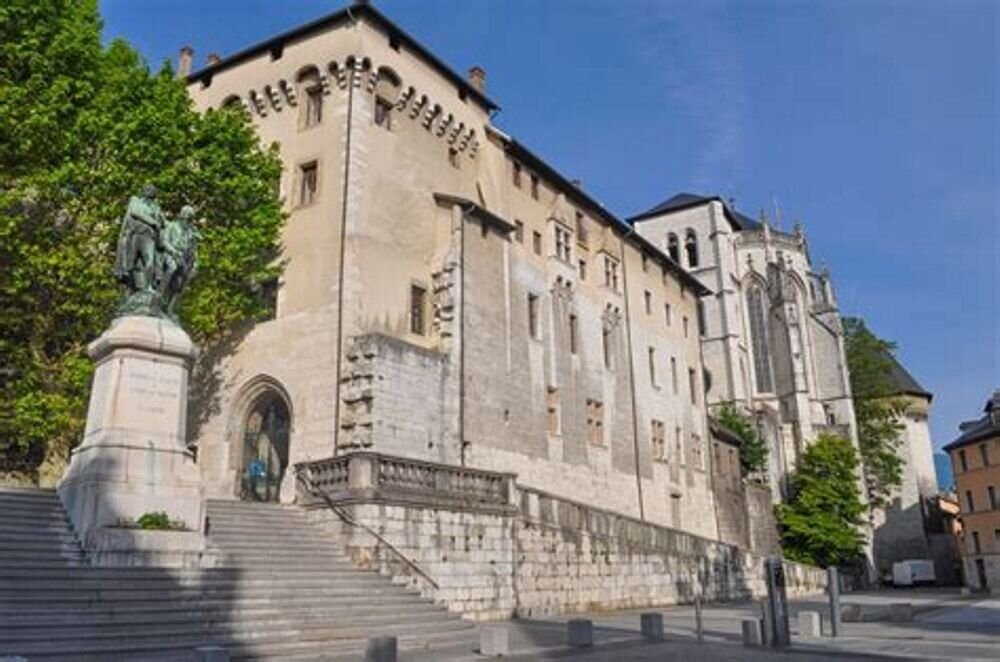
Heritage
Heritage preservation
Preservation of world cultural and historical heritage: the acquisition and restoration of local or global assets, in the spirit of the Hague Convention.
Our society faces exceptional challenges as never before: environmental, economic, social and cultural. Peace, freedoms, the rights of living beings and our world cultural heritage have never been more threatened.
The CIBP brings together, in the heart of Geneva, the champions of the "Banner of Peace" around a shared vision: Art, Science & Spirituality within the circle of Culture.
Our mandate: to work for the protection and safeguarding of international cultural heritage — material and immaterial — in times of peace as in times of conflict, in the spirit of the Roerich Pact (1935) and the Hague Convention (1954).

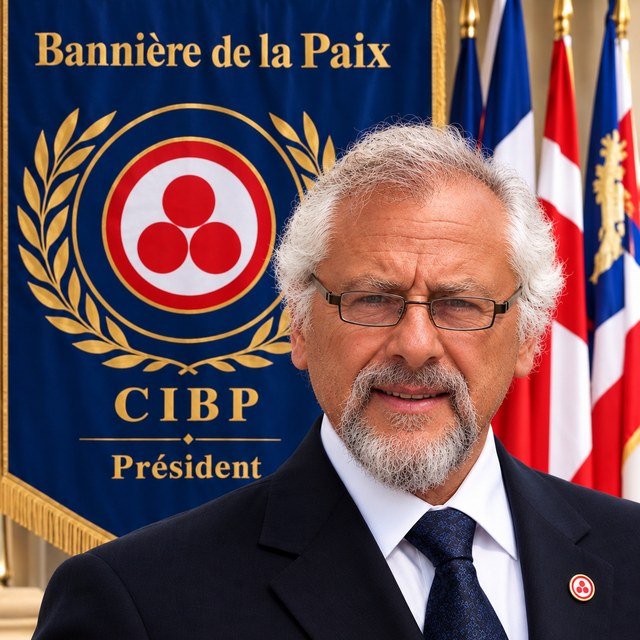
Thierry Bécourt — President of the CIBP
It was with this "vision of the heart" that the humanist Nicolas Roerich summed up the spirit that animates the CIBP — a conception of culture drawn from the definition adopted by UNESCO (Mexico Declaration, 1982): the whole complex of distinctive spiritual, material, intellectual and emotional features that characterize a society.
Adopted in Mexico City on 6 August 1982 at the close of the World Conference on Cultural Policies (MONDIACULT), organized by UNESCO, this declaration sets out the founding principles on which the CIBP bases its own conception of culture and its role in peace among peoples.
Its main themes:
Read the full text of the Declaration on the UNESCO website ↗
By promoting international humanitarian and cultural Treaties and Charters — including the Earth Charter, which recognizes the dignity and freedom of every human being — we look upon others free of moral and cultural prejudice.
We believe that the path to world peace lies in the principle of enriching ourselves through our differences, following the motto "Know Your Neighbour": a philosophy to be practised today, more than ever, through a Culture of beauty in every creative and meaningful endeavour.
Nurturing the constructive genius of citizens as agents of our society is the foundation of "Know Your Neighbour". We value every creative act — artistic, literary, scientific or philosophical — whose purpose is to elevate the human soul and preserve Beauty.
"Culture belongs to no man, group, nation or era. It is the mutual property of all humanity and the inheritance of generations. Without Culture, there is neither truth, nor unity, nor peace." — Nicolas Roerich
The CIBP carries out its work within the framework of the international bodies and instruments for heritage protection and the promotion of peace.
Registered with the Centre d'Accueil de la Genève Internationale, the official representative body for NGOs in Geneva.
Recognized by the United Nations Office at Geneva, the world centre of multilateral diplomacy.
Action aligned with the "Peace, Justice and Strong Institutions" goal of the United Nations Sustainable Development Agenda.
Guardian of the spirit of the Roerich Pact (1935) and the Hague Convention (1954) for the protection of cultural heritage in the event of armed conflict.
Read the treaties →
United Nations · UNESCO · International Committee of the Red Cross · Green Cross
Preservation of world cultural and historical heritage: the acquisition and restoration of local or global assets, in the spirit of the Hague Convention.
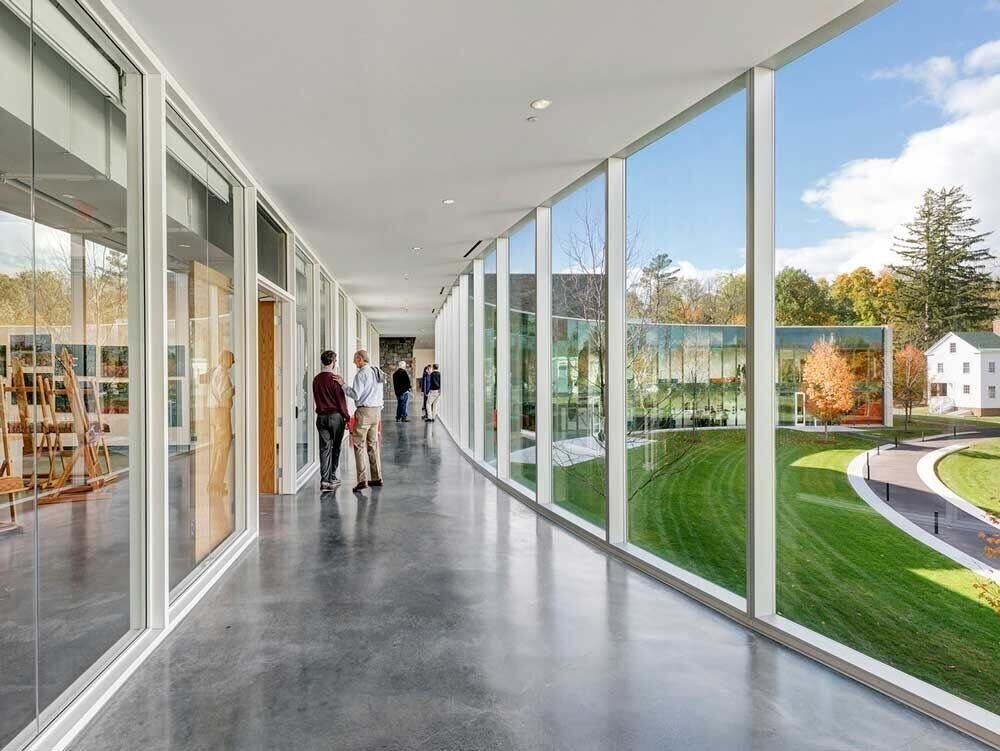
We are preparing to establish, in Geneva, a Centre dedicated to Culture and Peace, a crossroads for exchange between nations.
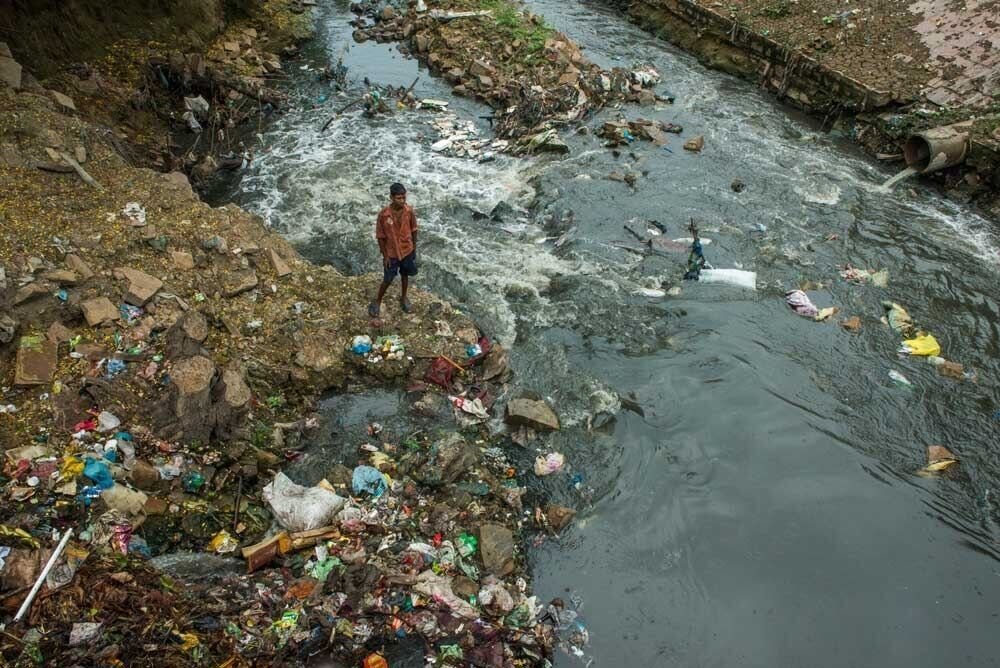
Water, and the right to water, are factors of Peace. Decontamination is becoming urgent and distribution essential: a priority action for the CIBP.
To support our ongoing projects and help us in our work, your contributions are welcomed with great pleasure.